
Using extrusion technology, aluminium is transformed into profiles of various cross-sections and shapes. Precise manufacturing processes result in solutions ranging from architecture to industry.
Aluminium becomes a necessity.
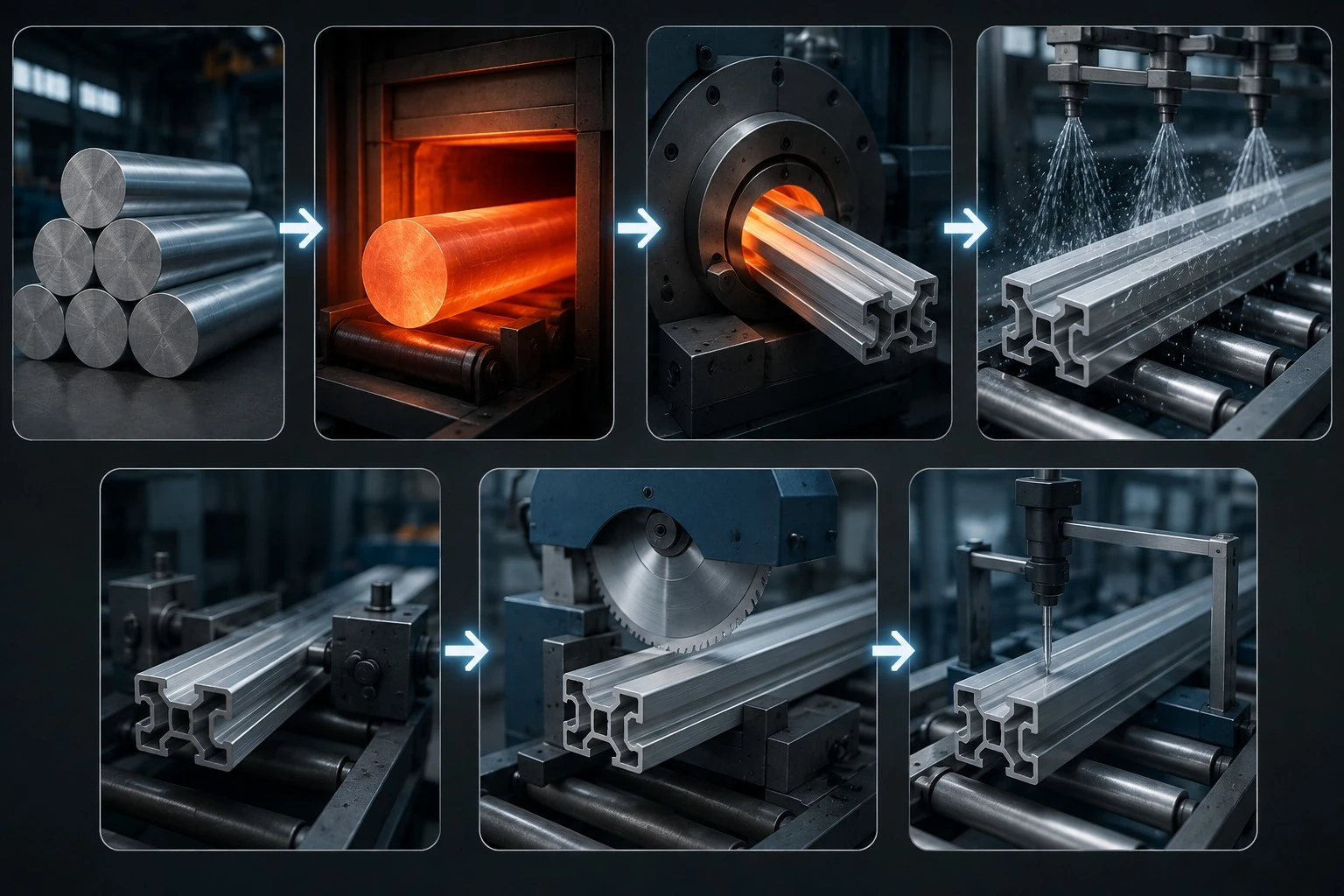
In the production of aluminium profiles, billets made from aluminium metal are heated to a specific temperature and forced through specially designed extrusion dies under high pressure. In this way, the aluminium takes on the geometry of the die, forming a continuous profile with the desired cross-section and dimensions.
How Are Aluminium Profiles Produced?
The process of transforming aluminium into a profile generally involves:
Billet → Heating → Extrusion → Cooling → Stretching → Cutting → Quality Control
stages.
The die used during extrusion is one of the most important factors in determining the cross-sectional shape of the profile to be produced. Dies with different geometries can be prepared depending on the profile’s intended application and technical requirements.
Why is Extrusion Important?
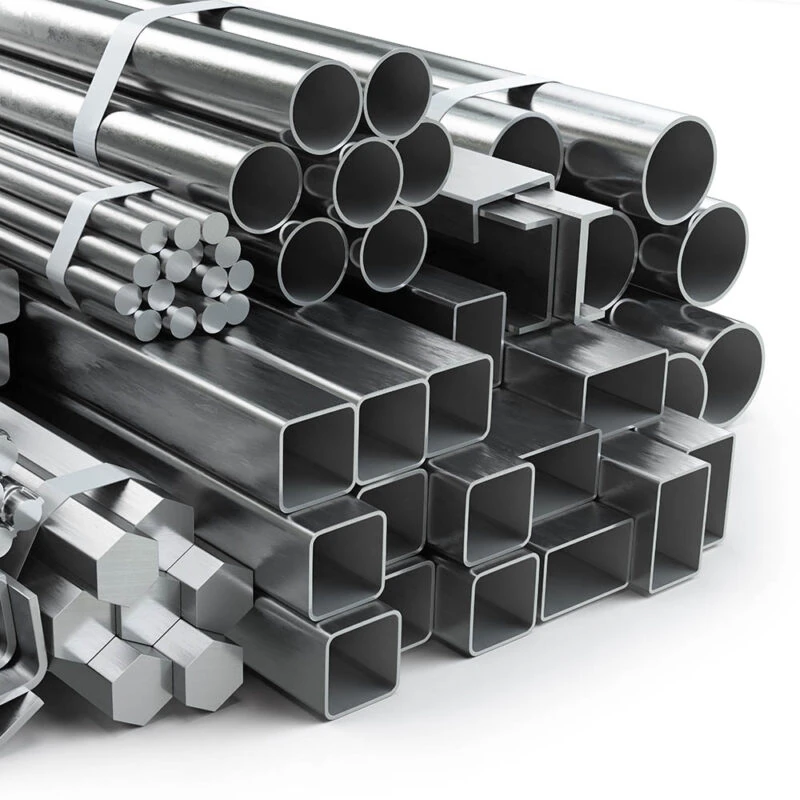
The extrusion process enables aluminium to be produced in various shapes and cross-sections. This makes it possible to manufacture aluminium profiles suitable for the needs of many sectors, such as furniture, blinds, shutters, awnings, automatic doors, solar systems and industrial applications.
The cross-sectional design of the profile is determined by factors such as its intended use, strength requirements and installation conditions.
From Extrusion to Profile
The profile emerging from the extrusion die has not yet reached the end of the production process. After being cooled in a controlled manner, the profile undergoes stretching and cutting processes. It is then prepared for subsequent processes following checks on its dimensions, surface finish and geometric properties.
Following this stage, the profiles can be sent for treatments such as anodising, electrostatic powder coating or mechanical finishing.
The Shaping Story of Aluminium
The journey, which begins with bauxite, transforms into a finished product during the extrusion stage following the production of alumina and aluminium. In this way, aluminium becomes durable, lightweight and functional profiles used across various sectors.
Aluminium, derived from nature, is shaped by technology and finds its place in various aspects of life.